/ factory evidence / production claim / supplier review

How to Review Supplier Claims About In-House Production

How to test whether a supplier's in-house production claim is supported by evidence instead of sales language.

In-house production is one of those phrases that sounds clearer than it is. A supplier may mean they own the factory, manage a workshop, assemble final goods, control quality, or simply work closely with a partner factory. The buyer may hear something stronger than the supplier intended. A review file should slow the phrase down and ask what exactly is being claimed.

The evidence needed depends on the business decision. If the buyer only needs a stable seller for a small reorder, a light production explanation may be enough. If the buyer needs factory-direct pricing, compliance control, custom tooling, or confidential product development, the standard is higher. AI can extract factory claims from websites and brochures, but it should not convert factory language into ownership proof.

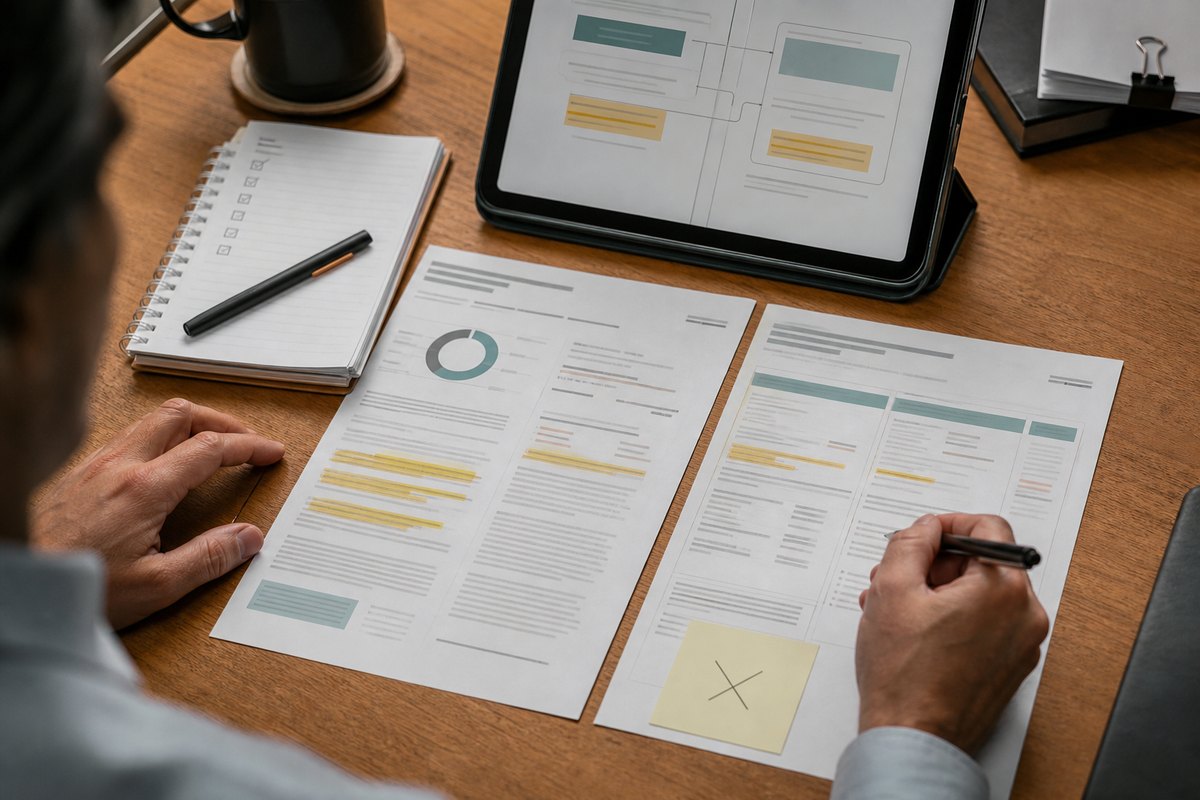
The review should compare four things: seller legal name, production address, certificate or audit holder, and visual production evidence. If all four point to the same entity and site, the claim is stronger. If the seller name differs from the factory evidence, the file needs a relationship bridge. If the production video shows a workshop but no identifying details, it supports activity but not ownership. If the certificate names a parent or partner, that may support capability but not necessarily in-house production.

A supplier request should be specific. Please confirm whether the quoted goods will be produced at your owned site or by a partner factory. Please provide the production address and the entity operating that site. Please explain which entity holds the relevant certificate. These questions sound simple, but they prevent the review from becoming a debate about wording.

AI is useful for spotting inconsistencies across claims. The website says manufacturer, the invoice says trading company, the certificate names an affiliate, and the video shows no sign. None of those facts alone proves a problem. Together they show that the in-house claim is not yet supported. The output should present the pattern without overstating it.

The final conclusion should match the evidence. Supplier has access to relevant production resources is different from supplier owns the production site. Seller manages order through partner factory is different from factory direct. These distinctions matter for price, quality control, dispute handling, and IP concerns. A serious review does not punish ordinary supply-chain arrangements. It makes sure the buyer is not relying on a stronger claim than the file can prove.

The reviewer should start with the document or record behind the claim. Show the extracted field, source date, source channel, and the reason the field matters to the supplier decision. That first view keeps factory evidence close to the file instead of letting a model summary set the tone too early.

The practical test is whether the file supports the claim: How to test whether a supplier's in-house production claim is supported by evidence instead of sales language. If the file cannot support it, say so. A missing source, unclear scan, stale record, or unsupported relationship changes whether a buyer can rely on the output before payment, onboarding, shipment release, or a repeat order.

A solid case file captures the exact value under review, the document where it appeared, the page or image location, the capture date, and the reviewer status. If the case involves names, keep the original legal name beside any translation. If it involves payment, place the beneficiary and invoice issuer side by side. If it involves certificates or product claims, separate holder, scope, date, and product model.

The reason for this structure is practical. AI can shorten reading time, but it can also hide weak evidence when the output is too polished. A field table makes the weak spots visible: unreadable text, missing source labels, conflicting names, expired documents, vague product scope, unsupported payment routes, or source data that has not been refreshed for the current order.

AI should prepare the review by extracting fields, grouping related evidence, and pointing to conflicts. It should not close a case by itself when the outcome affects money, supplier approval, regulated product claims, or legal identity. The system should make a short request list for the supplier or analyst, then leave final clearance to a named reviewer when the file contains a hard trigger.

A good output uses action language. It can say request a cleaner license image, confirm the bank beneficiary through a second channel, ask which entity owns the certificate, refresh the public source, or hold the case until the production address is explained. These instructions are more useful than a raw confidence number because they tell the buyer what to do next.

Human review should be required when the case touches critical identity, payment, or product evidence. Triggers include a different legal entity, an unreadable registration field, a third-party bank account, a certificate holder that differs from the seller, a source older than the team's freshness rule, or a supplier explanation that exists only in chat. These cases may still be acceptable, but the acceptance needs a record.